


HPV, short for “human papillomavirus,” is a common infection that causes warts—most often affecting the anogenital area, including the cervix—and diseases associated with cervical cancer.
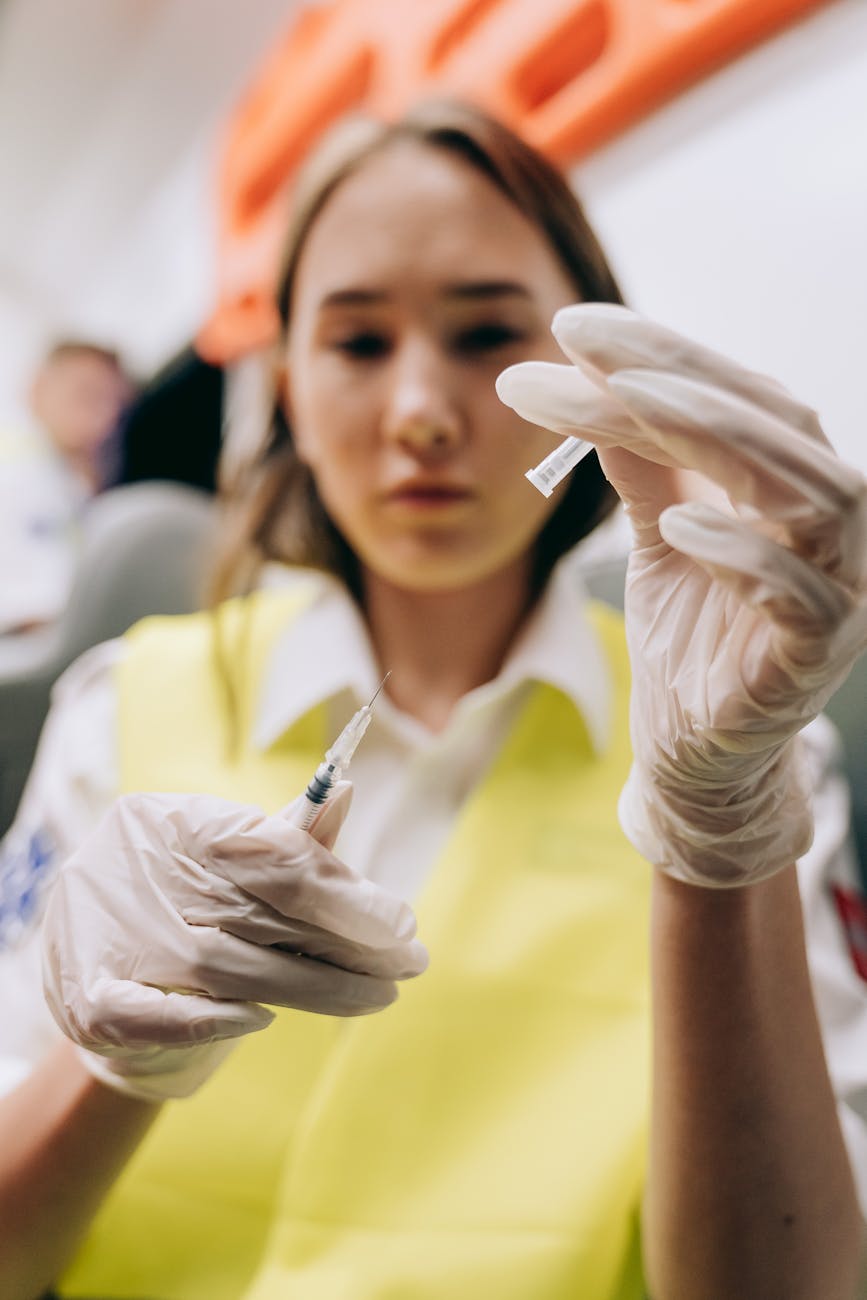
The good news is this: vaccination can protect against HPV. In other words, we’re talking about a preventable disease.
However, as anti-vaccine sentiment has become more visible in recent years, claims such as “the HPV vaccine causes cancer” have circulated on social media, with some urging people to avoid the vaccine.
But is that really true? Let’s look at the scientific facts.
Not the vaccine, some HPV types cause cancer
HPV is so common that nearly everyone who is sexually active is likely to get it at some point in their lives. And contrary to popular belief, not only women but people of all genders are at risk of HPV.
There are many HPV types; some can cause cancer, while others only cause warts. According to the U.S. Centers for Disease Control and Prevention (CDC), about 90% of HPV infections clear on their own within two years.
HPV vaccines are safe
According to the World Health Organization (WHO), six HPV vaccines have been approved for use. All of them protect against HPV types 16 and 18, which together are responsible for roughly 70% of cervical cancer cases worldwide.
In safety evaluations by trusted health authorities, cancer risk is not even raised as a concern for HPV vaccines. A few examples:
- The WHO and its Global Advisory Committee on Vaccine Safety (GACVS) have conducted long-term observational studies in millions of people and found no evidence that HPV vaccines cause cancer. On the contrary, the balance of benefits and risks strongly favors vaccination.
- Similarly, the European Medicines Agency (EMA) carried out a comprehensive review in 2015 to assess whether HPV vaccines might cause serious side effects such as severe pain syndromes or conditions affecting heart rate. It found no evidence of such links, and the vaccines’ approvals and use remained unchanged.
In short, current assessments conclude that HPV vaccines are safe, with no evidence they cause cancer.
Technically, that’s not possible
While vaccines come in different types, the principle behind how they work is similar.
HPV vaccines do not contain live virus. That means you cannot get HPV or an HPV-related disease from the vaccine. The components in the vaccine are harmless particles that mimic only the virus’s outer shell. They do not replicate in the body and do not interact with our genes. Tiny DNA fragments may remain from the manufacturing process, but they are inactive so they cannot alter our genetics or cause cancer.
To boost the immune response, the vaccine contains a small amount of an aluminum salt (an adjuvant). This ingredient has been safely used in many vaccines for decades, and there is no evidence that it causes cancer.
The most common side effect is short-lived pain
No serious side effects are known to be caused by HPV vaccines. The most common issues are brief pain at the injection site and other local symptoms—very similar to those seen with many other vaccines.
Among the common post-vaccination reactions, there is nothing that would trigger the formation of cancer cells in the body.
The most effective way to prevent HPV is vaccination
Cervical cancer is the fourth most common cancer among women. But according to the WHO, millions of cervical cancer cases can be prevented with HPV vaccination and regular screening.
Research also shows the vaccine is effective in preventing HPV:
- A 2021 study in England found that people vaccinated at ages 12–13 had an 87% lower risk of developing cervical cancer.
- In Sweden, a study tracking about 1.7 million women aged 10 to 30 showed a significant reduction in cervical cancer with HPV vaccination; the risk dropped by 88% among those vaccinated before age 17.
- A 2024 study involving approximately 3.5 million people confirmed that HPV vaccination reduces the risk of cancers caused by HPV, including head and neck cancers in men and cervical cancer in women.
What’s more, if the WHO’s global strategy is implemented, an estimated 60 million cervical cancer cases and 45 million deaths could be prevented over the next 100 years.
In other words, the HPV vaccine is not a cause of cancer, it prevents it.
Even if you are vaccinated, there remains a small residual risk of cervical cancer. That’s why health authorities stress the importance of attending cervical cancer screening appointments and using condoms during sexual activity.
An example of faulty causality
Vaccination is the most effective way to prevent cervical cancer and other HPV-related diseases.
Linking vaccines to serious illnesses like cancer when no real connection exists is an example of a misinformation pattern known as faulty (spurious) causality. Scientific evidence clearly shows that vaccines are safe, protective against cancer, and life-saving. Spreading such false claims not only creates confusion but also leads some people to avoid vaccination.
Despite consistent evidence for more than 15 years that HPV vaccines are safe and effective, a study published in 2021 found that, in recent years, more parents have voiced concerns about vaccine safety. Reasons included safety worries, lack of recommendations from their social circles, limited information, the belief that their children were not yet sexually active, and the perception that the vaccine was unnecessary. According to the researchers, these findings underscore an urgent need for physicians and public health professionals to address parents’ concerns.
Kaynakça
- Sexually Transmitted Infections (STIs) — “About Genital HPV Infection”, 2026-03-03. Kaynağı aç
- World Health Organization (WHO) — “Human papillomavirus vaccines: WHO position paper, December 2022”, 2022-12-15. Kaynağı aç
- World Health Organization (WHO) — “Human papillomavirus (HPV)”. Kaynağı aç
- U.S. Centers for Disease Control and Prevention — “on their own within two years.”. Kaynağı aç
- World Health Organization (WHO) — “Safety”. Kaynağı aç
- European Medicines Agency — “the European Medicines Agency”. Kaynağı aç
- U.S. Centers for Disease Control and Prevention — “do not contain live virus”. Kaynağı aç
- Infovac — “are inactive”. Kaynağı aç
- Ghostarchive — “Common Ingredients in FDA-Approved Vaccines | FDA | Ghostarchive”. Kaynağı aç
- Org — “Klimik Aşı Platformu”. Kaynağı aç
- Gavi — “Human papillomavirus”. Kaynağı aç
- The Lancet — “study”. Kaynağı aç
- PubMed — “HPV Vaccination and the Risk of Invasive Cervical Cancer - PubMed”. Kaynağı aç
- Asco — “Effects of HPV vaccination on the development of HPV-related cancers: A retrospective analysis of a United States-based cohort. - ASCO”. Kaynağı aç
- nhs.uk — “HPV vaccine”, 6 Mar 2024, 5:40 p.m.. Kaynağı aç
- Cancer.gov — “Parent Concerns About HPV Vaccine Safety Increasing”. Kaynağı aç

 Öyküm Hüma Keskin

 Murad Karabulut